
 Certificado ISO 9001
 Certificado GENCAT
 Certificado ENAC

The soil is home to an immense variety of microscopic organisms, such as bacteria and fungi, capable of providing great benefits to ecosystems and crops
These microorganisms are key players in:
- Soil formation: actively participate in the decomposition of organic matter.
- Nutrient cycles: involved in the carbon, nitrogen, oxygen, sulfur, phosphorus, and iron cycles, among others.
- Fertility and growth: their vital activity improves plant nutrition and stimulates their development.
- Plant protection: act as a natural shield, defending roots from pathogenic microorganism attacks.
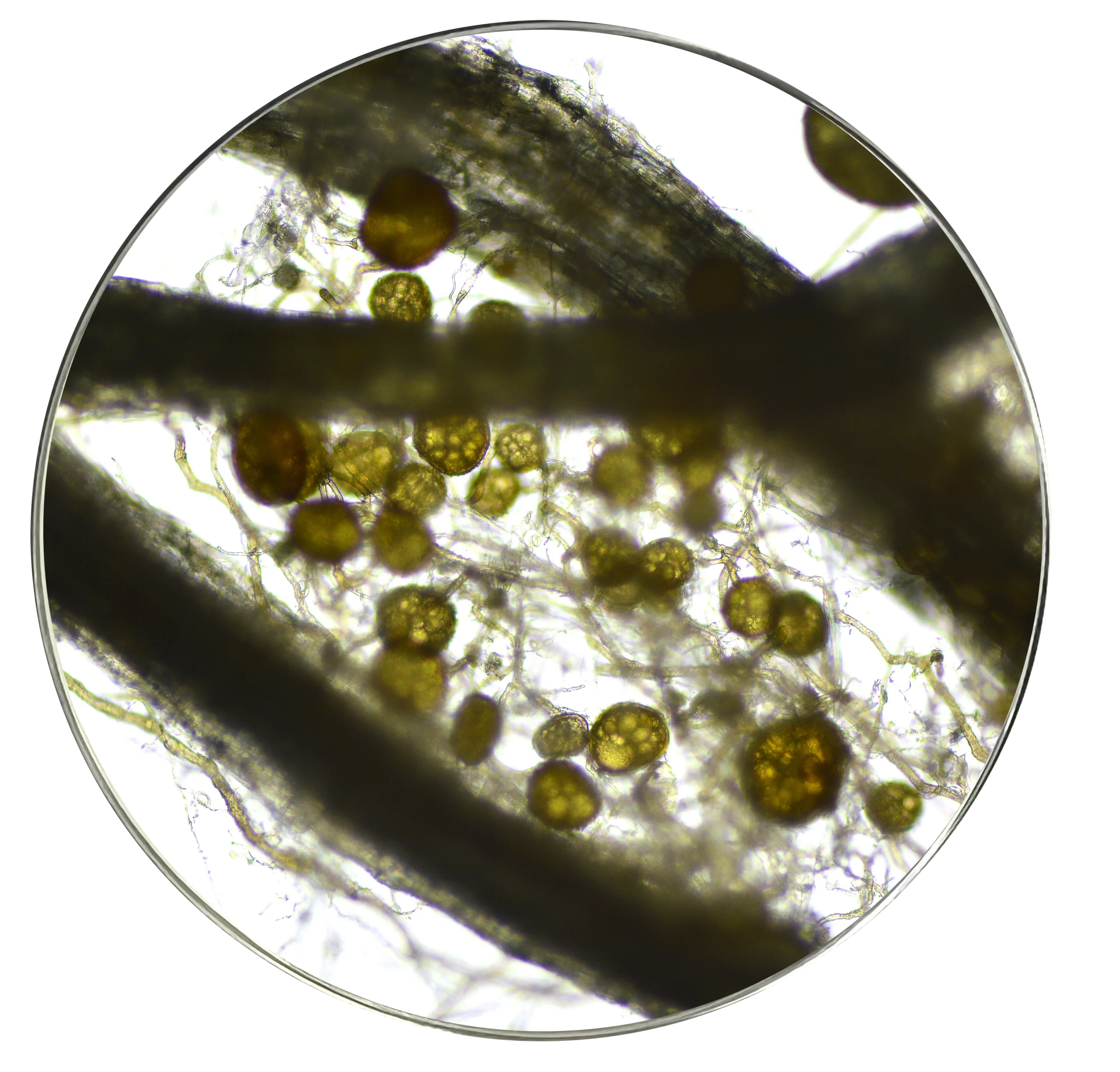
Mycorrhizae
They are a group of microscopic soil fungi found in almost any habitat. They are characterized by colonizing plant roots and growing in the rhizosphere (the soil zone near the roots), forming a network of fine filamentous structures called hyphae.
This network functions as an extension of the roots themselves, offering great advantages:
- Increased absorption: facilitate the uptake of water and mineral nutrients from the soil.
- Soil protection: help stabilize the soil, preventing erosion.
- Root stimulation: promote greater development of the root system.
- Biocontrol: protect the plant against diseases.
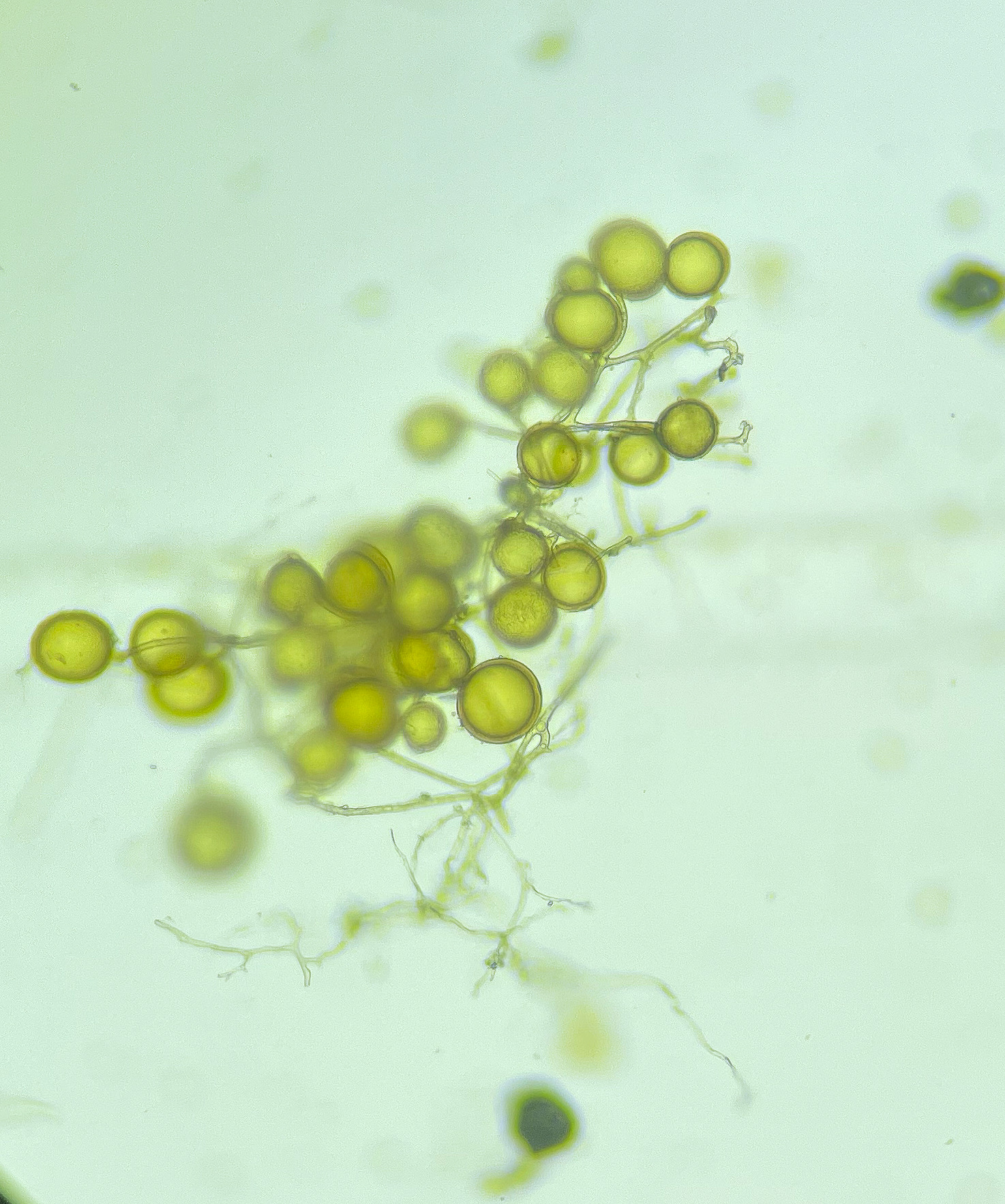
Did you know?
Mycorrhizal associations began over 400 million years ago with the first terrestrial plants. It is a perfect mutualism: the plant provides carbohydrates to the fungus for its survival, and in return, the fungus supplies water and minerals.
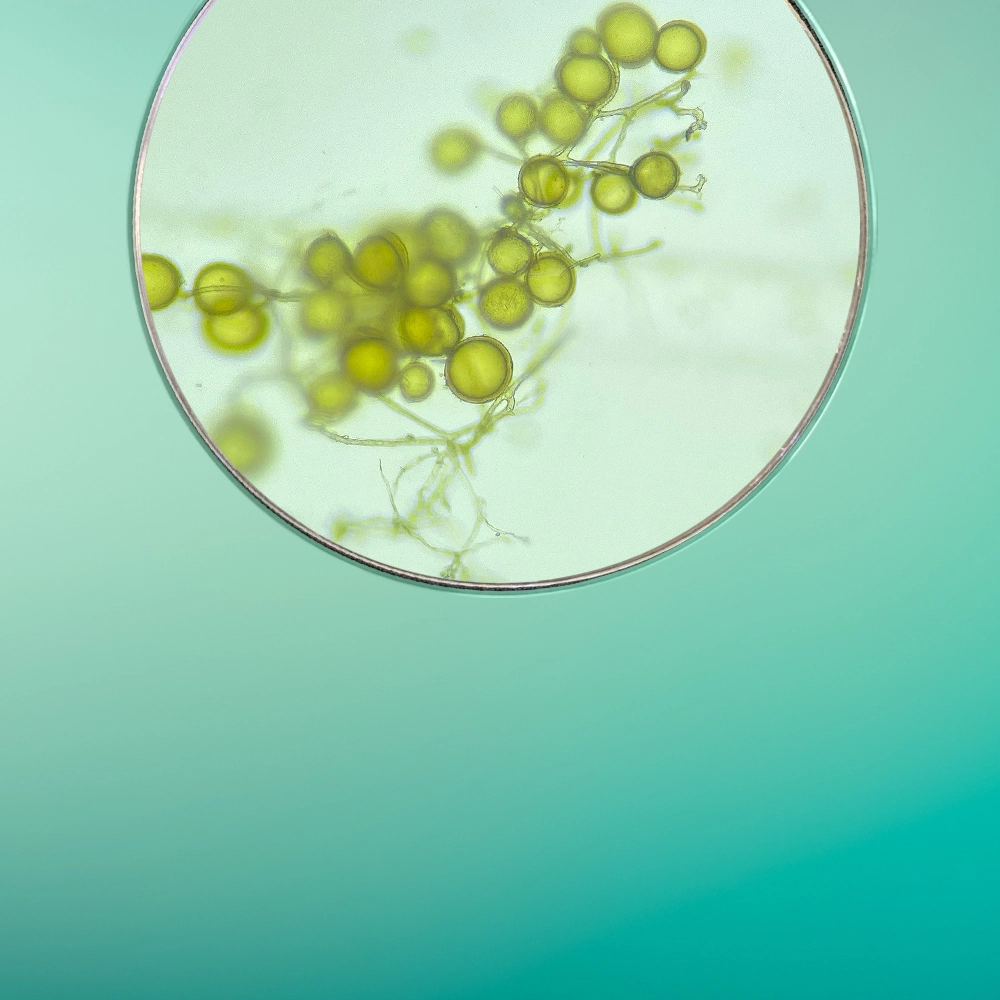
Endomycorrhizae or Arbuscular Mycorrhizae
This is the most common type. The fungus penetrates the cells of the root cortex and forms structures called arbuscules, where nutrient exchange occurs. Most horticultural, ornamental, and fruit plants form endomycorrhizae.
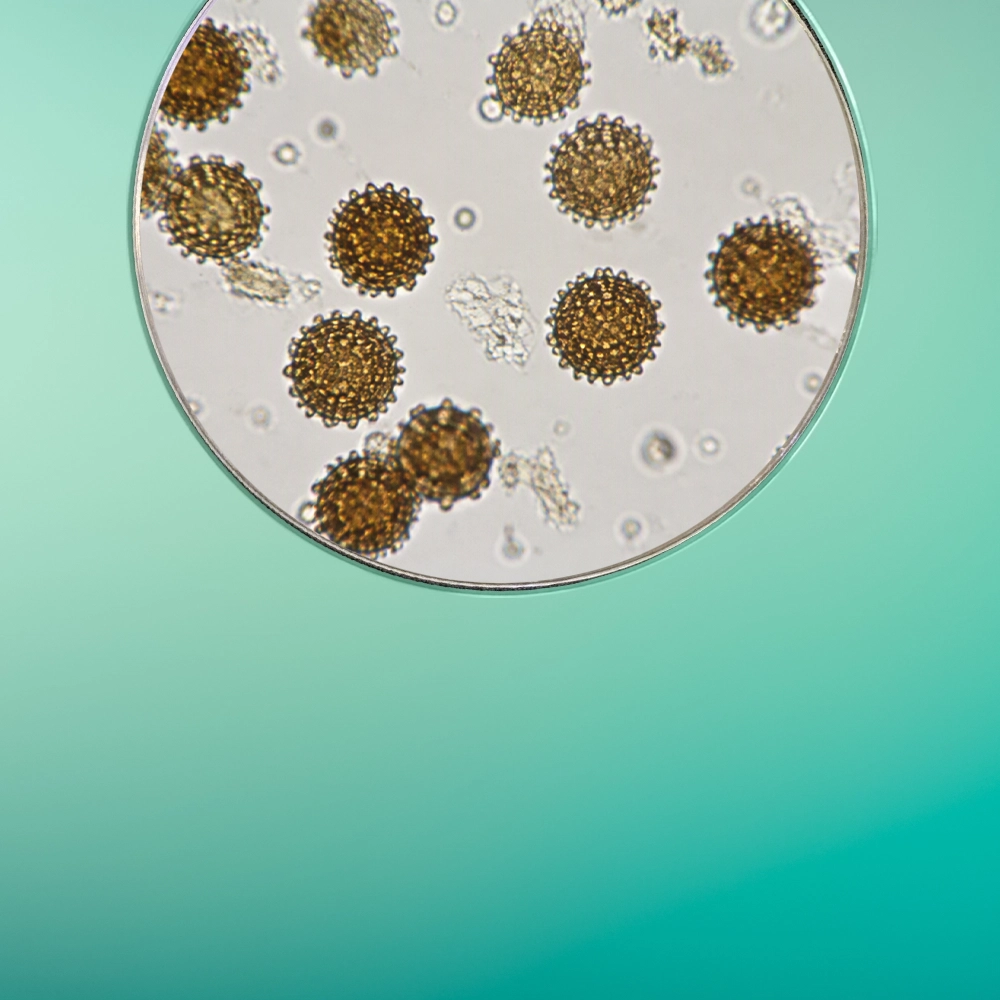
Ectomycorrhizae
Formed by fungi commonly known as mushrooms. In this case, the fungus does not penetrate the cells but grows externally, forming a protective mantle around the rootlets. They are typical of most forest and woody species.
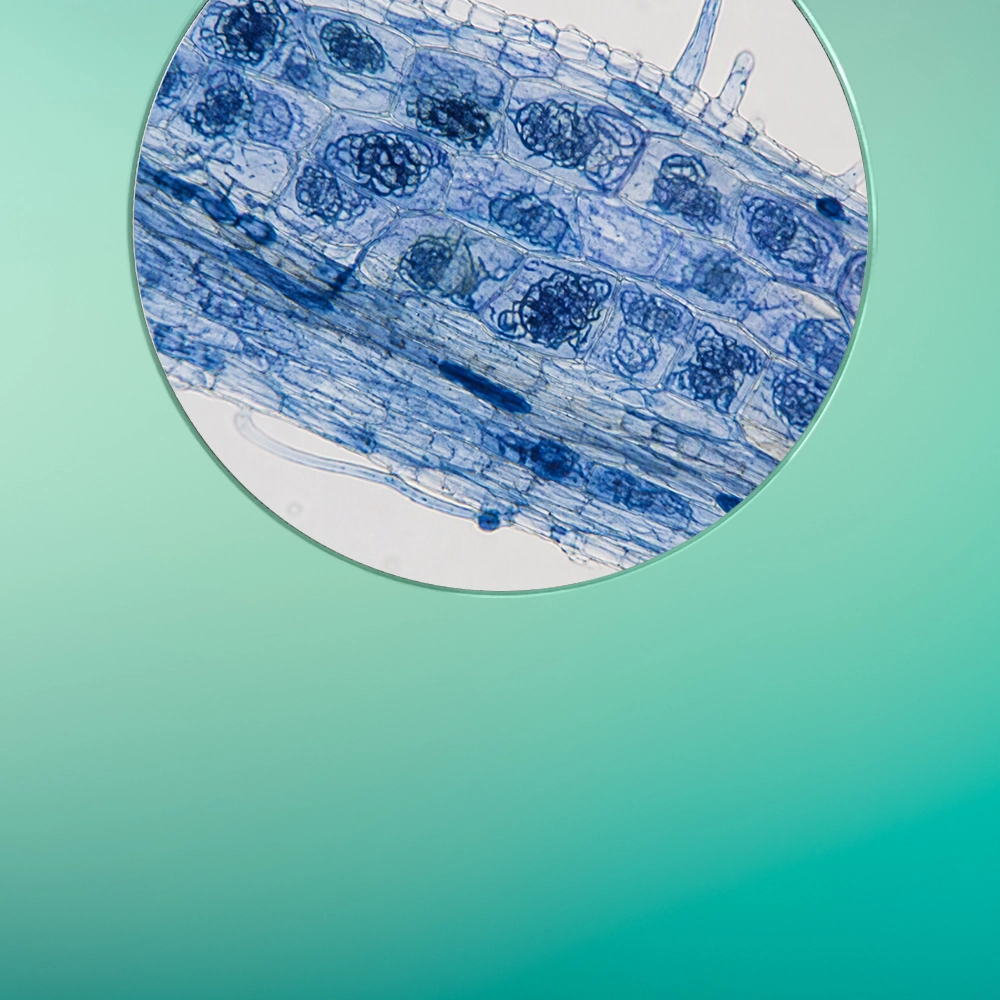
Ericoid Mycorrhizae
A special type of endomycorrhiza that associates with specific species such as azalea, carnation, camellia, heather, rhododendron, and blueberry.
Note: some plants do not form mycorrhizae (non-mycorrhizal), notably crops such as cabbage, broccoli, cauliflower, spinach, radish, turnip, and mustard.
Other key microorganisms for soil and crops
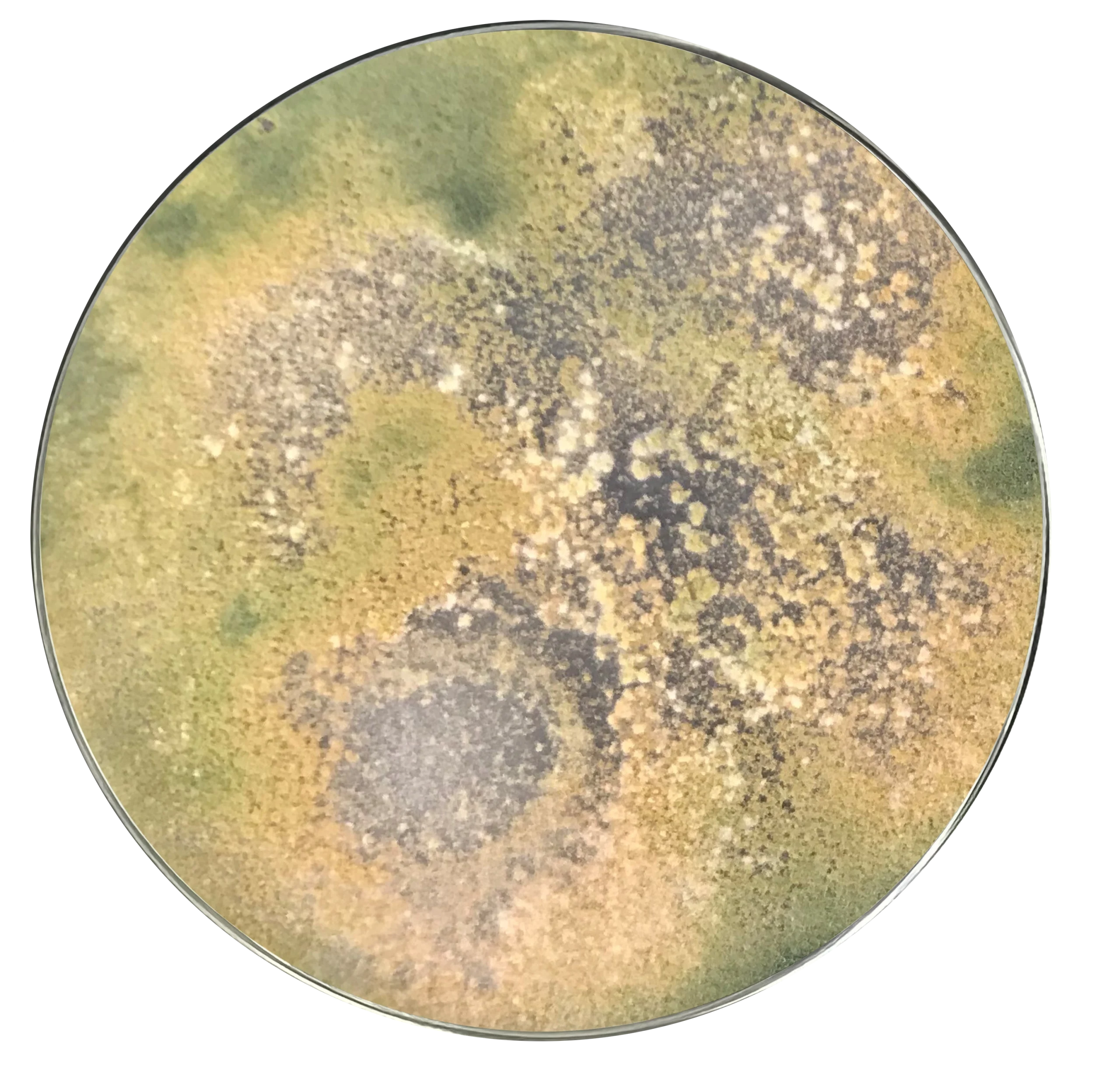
In addition to mycorrhizae, the soil harbors other essential allies for the balanced development and health of plants and soil:
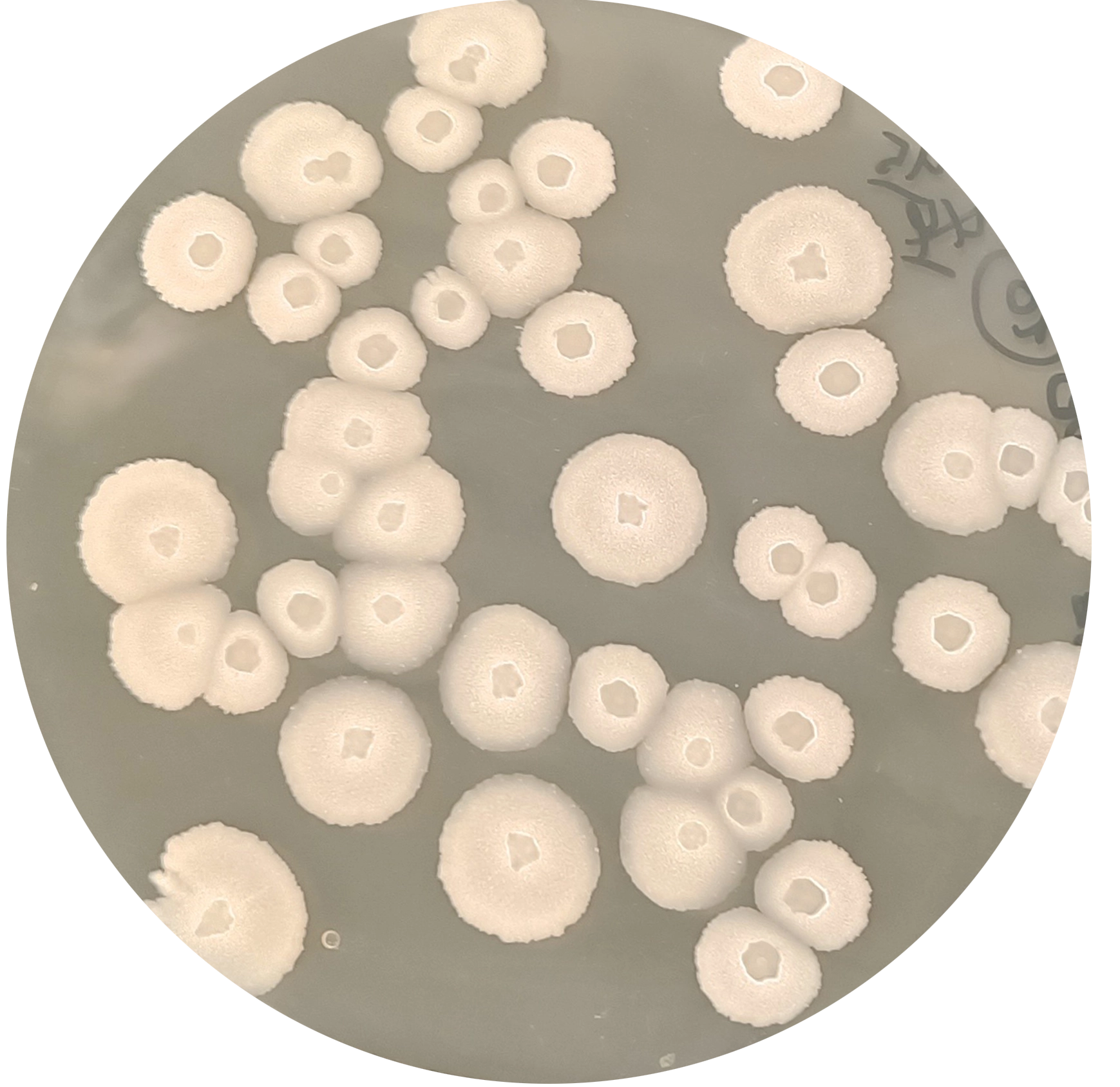
2. Plant Growth-Promoting Rhizobacteria (PGPRs)
These bacteria colonize the root zone and actively participate in vital processes such as:
- The fixation of atmospheric nitrogen in the soil.
- The solubilization of phosphorus, making it assimilable for the plant.
- Mineralization of nutritive elements and decomposition of organic matter.
- The production of phytoregulators (plant growth hormones).
- The biocontrol of pests and diseases.

